Common Mistakes Homeowners Make With DIY Hardwood Floor Installation
Homeowners seeking hardwood floor installation often want to avoid common mistakes, and local contractors can ensure a professional, durable, and properly installed result.
Homeowners considering a DIY hardwood floor installation often face common pitfalls that can impact the final result. Whether it’s choosing the wrong materials, misjudging the space’s moisture levels, or rushing through the prep work, these mistakes can lead to costly repairs or uneven flooring. For property owners in the area, understanding these potential issues is essential to making informed decisions and ensuring a successful project. Exploring how local contractors approach hardwood installation can provide valuable insights and help homeowners avoid common errors that might compromise their investment.
While DIY projects can be appealing, enlisting the help of experienced service providers can make a significant difference. Local contractors specializing in hardwood floor installation have the expertise to handle tricky aspects like subfloor preparation, proper acclimation, and precise installation techniques. By learning about the typical mistakes made during DIY efforts, homeowners can better appreciate the benefits of working with professionals. Keep reading to discover practical tips and how local service providers can assist in achieving a durable, beautiful hardwood floor that stands the test of time.
- Preliminary assessment - homeowners may need this service when they overlook subfloor conditions that can lead to uneven flooring, with local contractors providing proper evaluation and preparation.
- Proper acclimation - those who skip acclimating hardwood planks to the environment risk warping or gaps, and local pros ensure correct humidity and temperature adjustments before installation.
- Subfloor preparation - neglecting to level or clean the subfloor can cause installation issues, with local service providers addressing these foundational steps effectively.
- Installation techniques - DIYers often make mistakes with nail or glue application, and local pros follow best practices to secure a durable, long-lasting floor.
- Expansion gap management - failing to leave appropriate space for expansion can lead to buckling, with local contractors ensuring proper spacing during installation.
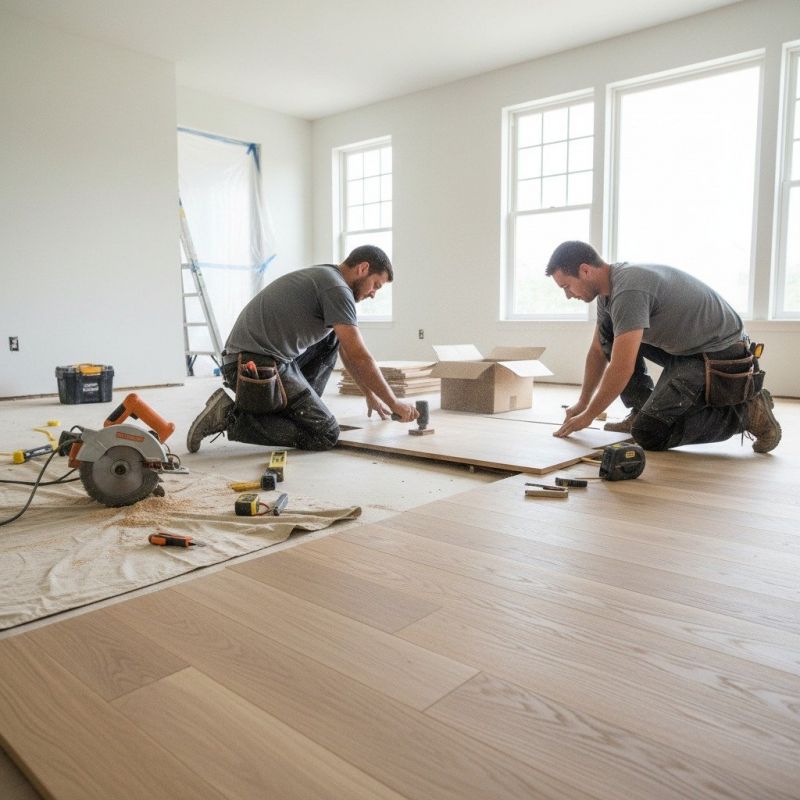
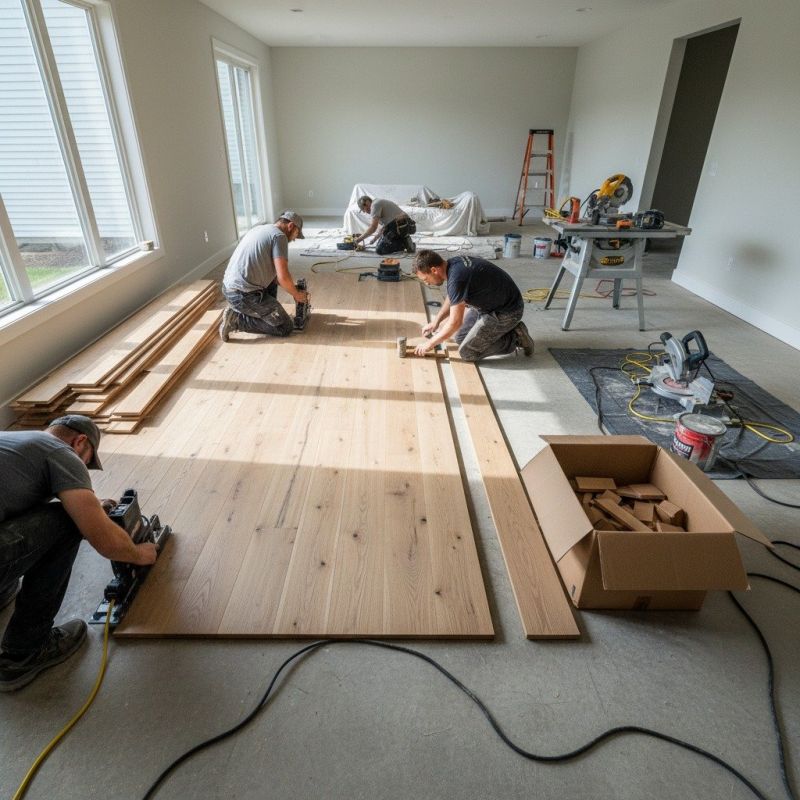
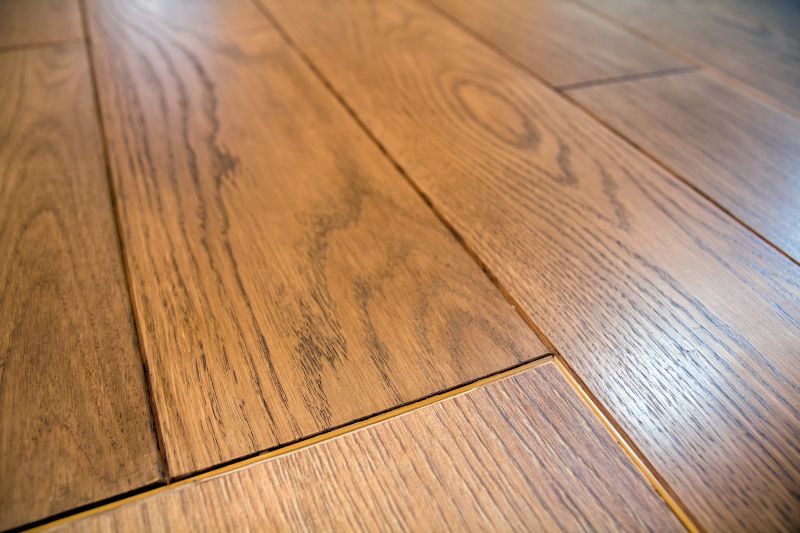
When homeowners search for information about common mistakes with DIY hardwood floor installation, they are usually looking to understand potential pitfalls that could compromise the quality or durability of their flooring project. This topic often relates to plans for upgrading or renovating residential properties, including single-family homes, townhouses, and multi-unit buildings. Many property owners aim to save costs by tackling installation themselves, but they may lack the specialized knowledge needed for proper subfloor preparation, material handling, or finishing techniques. Recognizing these common errors helps homeowners avoid costly repairs or rework down the line, emphasizing the importance of understanding what can go wrong during a DIY approach.
The problems associated with DIY hardwood floor installation often stem from overlooked details or missteps in the planning process. For instance, improper acclimation of the wood can lead to warping or gaps later, while inadequate subfloor preparation may cause uneven surfaces or squeaking over time. Some homeowners underestimate the importance of precise measurements or fail to account for expansion gaps, resulting in buckling or cracking. These issues are especially prevalent in properties with uneven subfloors, inconsistent moisture levels, or complex layouts. When such problems arise, they can significantly impact the appearance and longevity of the flooring, making the involvement of experienced local contractors a valuable consideration for ensuring a professional finish.
Certain property types tend to be more common contexts for DIY hardwood flooring projects. These often include older homes with existing wood subfloors, newer construction with concrete slabs, or small-scale residential units where homeowners feel confident in handling smaller sections themselves. However, even in these cases, the complexity of the project can vary greatly depending on the property's condition and layout. For example, multi-story homes with varying levels or properties with moisture issues require careful assessment and preparation. Understanding the typical property types involved helps homeowners recognize when professional installation might be more appropriate to prevent common mistakes that could compromise the project.
Ultimately, many of the mistakes associated with DIY hardwood floor installation could be mitigated by engaging experienced local service providers. These professionals bring expertise in proper subfloor assessment, material selection, and installation techniques that ensure a durable, attractive result. Homeowners who are aware of common pitfalls-such as improper acclimation, inadequate surface preparation, or poor finishing-can better evaluate when to seek help. Connecting with local contractors can provide peace of mind that the project will be completed correctly, reducing the risk of costly errors and ensuring the flooring enhances the property's value and appearance over time.
Subfloor Preparation - proper assessment and preparation of subfloors are essential skills shared with hardwood floor installation and can help prevent uneven surfaces and future issues.
Measuring and Layout Planning - accurate measurements and layout planning are crucial for both hardwood flooring and other flooring projects to ensure a seamless and professional finish.
Tool Handling and Safety - using power tools and safety equipment correctly is vital across various home improvement projects, including hardwood flooring and wall installations.
Material Selection and Handling - understanding how to select, handle, and acclimate materials is important for hardwood flooring and related projects like staircases or custom trims.
Surface Leveling and Smoothing - techniques for leveling surfaces are common to hardwood flooring and other projects like tile or laminate flooring installations.
Adhesive and Fastener Use - proper application of adhesives and fasteners is a shared skill in hardwood flooring, cabinetry, and other carpentry tasks requiring secure assembly.
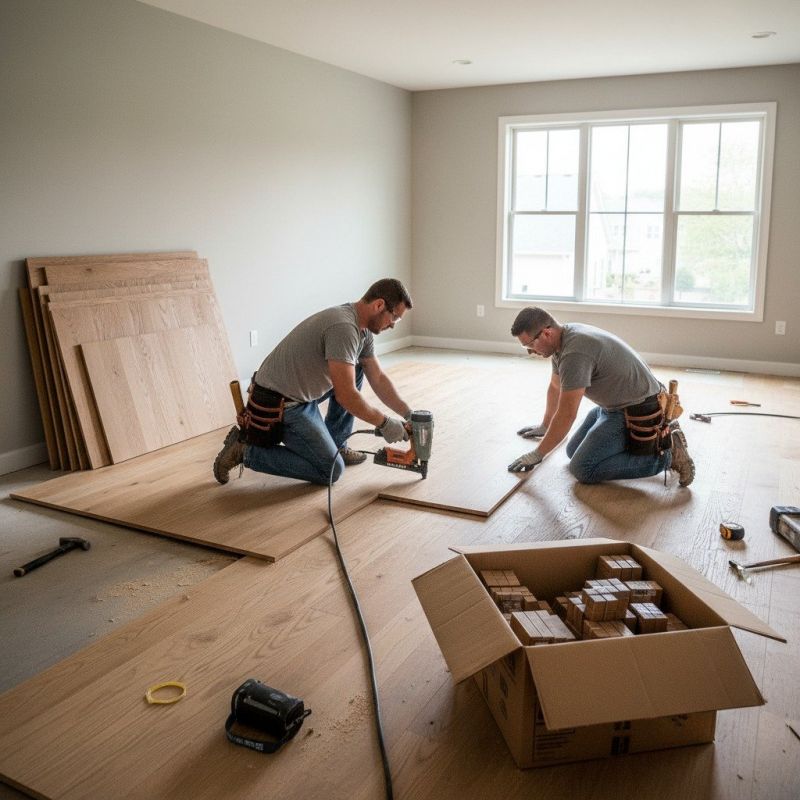
When comparing local contractors for hardwood floor installation, it is important to consider their experience with similar projects. Homeowners should inquire about the types of flooring installations they have completed and whether they have handled projects comparable in size and scope. A contractor with a proven track record in hardwood flooring can better anticipate potential challenges and ensure the job is done correctly the first time, reducing the risk of common mistakes homeowners make with DIY hardwood floor installation.
Clear written expectations are essential when evaluating service providers. Homeowners should seek detailed proposals that outline the scope of work, materials to be used, and the installation process. Having this information in writing helps prevent misunderstandings and ensures everyone is aligned on the project’s goals. Additionally, reputable references can provide insight into the contractor’s reliability, quality of work, and professionalism, giving homeowners confidence that the chosen service provider understands the nuances of proper hardwood flooring installation.
Effective communication is another key factor when comparing local contractors. Homeowners should look for service providers who are responsive, transparent, and willing to answer questions thoroughly. Good communication helps clarify project details, timelines, and expectations, minimizing the chances of errors or overlooked steps that could lead to common mistakes with DIY hardwood floor installation. By choosing a contractor who values clear dialogue and provides comprehensive information, homeowners can foster a smoother installation process and achieve results that meet their standards.
Property owners often search for common mistakes homeowners make with DIY hardwood floor installation when they are planning practical projects around their homes and businesses. Local pros provide Hardwood Floor Installation services for everyday jobs and straightforward project options.
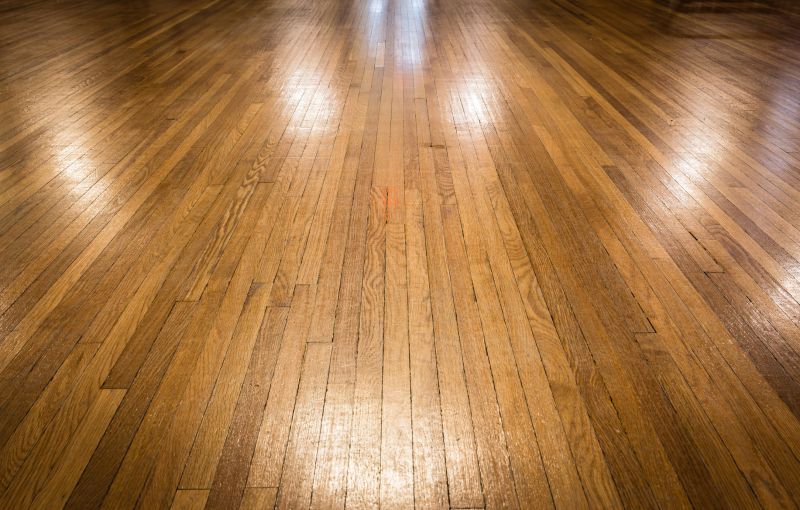
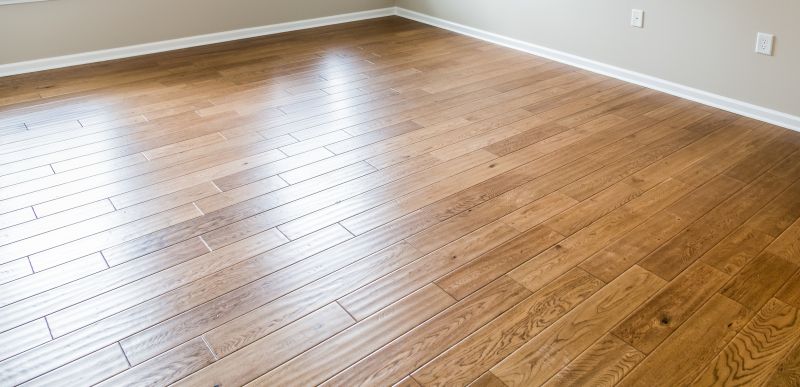
Many homeowners attempting DIY hardwood floor installation often overlook the importance of proper subfloor preparation. Skipping steps like ensuring the surface is level, clean, and dry can lead to uneven flooring, gaps, or buckling over time. Property owners in the area might find themselves frustrated by these issues and consider reaching out to local contractors who specialize in professional hardwood flooring services, as they can ensure the subfloor is correctly prepared for a smooth, long-lasting result.
Another common mistake involves improper acclimation of the hardwood planks before installation. Failing to allow the wood to adjust to the home's humidity and temperature conditions can cause the flooring to expand or contract after being installed, leading to gaps or warping. Homeowners often look for experienced service providers who can handle the installation with attention to these details, helping to prevent costly repairs or replacements down the line. Connecting with local experts can provide peace of mind that the project is completed with proper techniques and care.
What is a common mistake homeowners make when preparing subfloor surfaces for hardwood installation? Many homeowners overlook the importance of ensuring the subfloor is flat, clean, and dry, which can lead to uneven flooring and gaps. Hiring local contractors can help ensure proper subfloor preparation for a smooth, long-lasting result.
How does improper acclimation affect DIY hardwood floor installation? Failing to acclimate hardwood planks to the home's environment can cause expansion or contraction after installation, leading to buckling or gaps. Professional service providers can properly acclimate materials to prevent these issues.
Why is choosing the wrong type of adhesive or nails a mistake in hardwood installation? Using incompatible fastening methods or adhesives can compromise the stability and durability of the floor. Skilled local contractors know the appropriate materials for different hardwoods and subfloor conditions.
What mistake is common regarding layout and pattern during installation? Poor planning of layout and direction can result in uneven appearance or visible seams. Experienced service providers can assist with accurate layout planning to enhance the floor's aesthetic.
How can improper finishing lead to problems with hardwood floors? Skipping proper sanding, sealing, or finishing can expose the wood to damage and wear. Professional pros ensure a smooth, sealed surface that protects the hardwood and extends its lifespan.
Skipping proper subfloor preparation - ensuring the subfloor is clean, level, and dry helps prevent future issues like warping or uneven surfaces, which local contractors can handle effectively.
Choosing the wrong type of hardwood - selecting the appropriate hardwood species and finish for the home's environment can be complex; experienced service providers can recommend the best options.
Ignoring acclimation requirements - allowing hardwood planks to acclimate to indoor conditions minimizes expansion and contraction problems, a step that local pros can incorporate into their process.
Overlooking the importance of proper installation techniques - precise nailing, gluing, and spacing are crucial for a durable floor, and local contractors are skilled at avoiding common installation mistakes.
If you are thinking about common mistakes homeowners make with DIY hardwood floor installation for a property, this guide is meant to help you understand this topic, the typical project types, and how different options might fit your plans.
When you are ready, you can use the quote form on this page to share a few details about your project. From there, local pros can review the basics and follow up with options that match what you have in mind.